
By:
Growing Wealth
Published:
Your credit score affects:
- Mortgage approval and interest rates
- Car loan financing
- Credit card approvals
- Rental applications
- Some insurance pricing
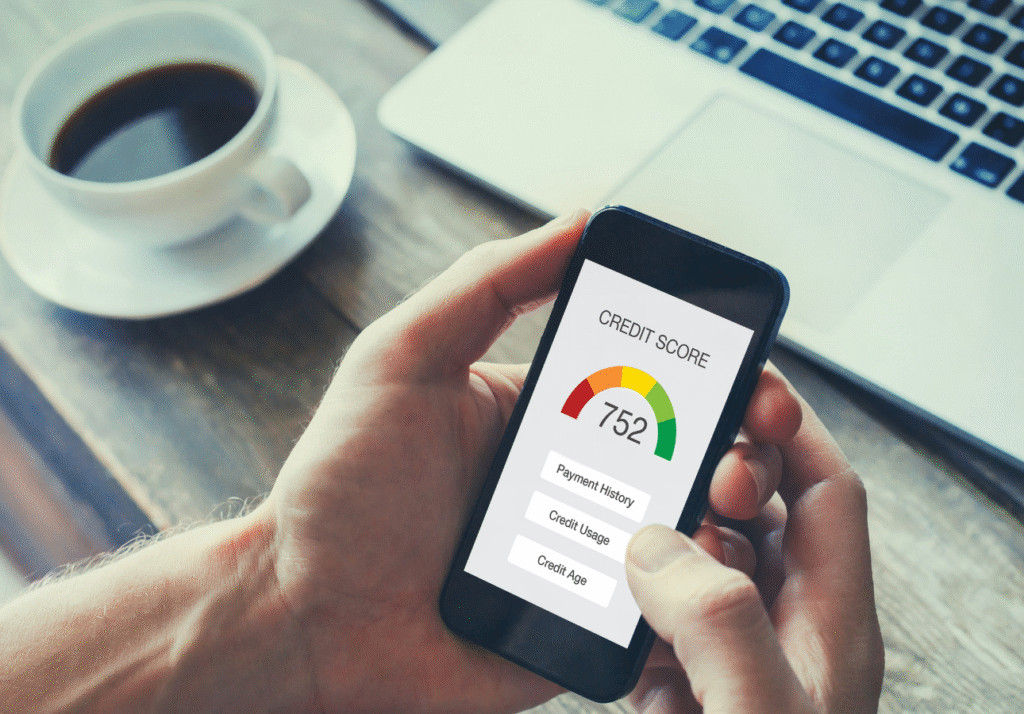
If you want lower borrowing costs and stronger financial leverage, improving your credit score is one of the highest-impact financial moves you can make.
This guide explains how to improve your credit score in Canada, how long it takes, what works fastest, and what to avoid.
Quick Ways to Improve Your Credit Score in Canada
If you want immediate direction, focus on this:
- Pay every bill on time
- Lower credit utilization below 30% (ideally under 20%)
- Stop applying for new credit temporarily
- Keep older accounts open
- Check your credit report for errors

Now let’s break down how the system actually works in Canada.
How Credit Scores Work in Canada
Canadian credit scores range from 300 to 900.
For a deeper understanding of how scores are calculated, what factors matter most, and what’s considered “good” in Canada, see 👉 Credit Scores in Canada: Complete Guide.
The two main credit bureaus are:
Lenders report your payment activity to one or both bureaus. Each bureau calculates its own version of your score using proprietary models.
According to the Financial Consumer Agency of Canada, your credit score is primarily influenced by:
- Payment history
- Credit utilization
- Length of credit history
- Types of credit used
- Recent credit inquiries
There is no single “official” score in Canada. Mortgage lenders often use a Beacon score model, which may differ slightly from what you see in a banking app.
What Is a Good Credit Score in Canada?
General score ranges:
- 300–559: Poor
- 560–659: Fair
- 660–724: Good
- 725–759: Very Good
- 760+: Excellent
Mortgage pricing tiers often improve meaningfully at 680, 720, and 760+.
We break this down further in our guide to a good credit score in Canada.
The 5 Factors That Improve Your Credit Score
1. Payment History (Highest Impact)
This is the single most important factor.
Even one 30-day late payment can cause a significant drop.
How to Strengthen It:
- Automate at least the minimum payment. (👉 See How to Automate Family Finances for a complete system to automate all bills)
- Never miss due dates.
- Bring delinquent accounts current immediately.
- Avoid accounts going to collections.
If you’ve had past late payments, 12–24 months of perfect history can materially improve your score.
2. Credit Utilization (Fastest Improvement Lever)
Credit utilization is how much of your available credit you’re using.
Formula:
Balance ÷ Credit Limit = Utilization %
If you have a $10,000 total limit and carry $5,000, you’re at 50%.
Ideal Targets:
- Under 30% = good
- Under 20% = strong
- Under 10% = optimal
Tactical Optimization:
- Pay balances before statement closing dates.
- Spread balances across multiple cards.
- Request credit limit increases (without increasing spending).
- Avoid closing accounts that reduce total available credit.
Lowering utilization can improve your score within one or two billing cycles.
3. Length of Credit History
Lenders prefer longer histories.
This includes:
- Age of your oldest account
- Average age of accounts
Smart Moves:
- Keep your oldest card open.
- Use inactive cards occasionally.
- Avoid frequent account closures.
Closing old accounts can shorten your credit age and raise utilization — both negative.
4. Credit Mix
Managing different types of credit responsibly can help. If you’re deciding which credit products to use, start with 👉 Best Credit Cards in Canada to understand all your card options.
- Credit cards
- Auto loans
- Mortgages
- Lines of credit
You don’t need all types — but showing responsible management helps signal stability.
If your credit has taken a hit or you’re starting from scratch, a secured credit card is one of the most reliable ways to begin rebuilding. See our guide to prepaid vs secured credit cards in Canada for a step-by-step breakdown of how it works.
5. Hard Credit Inquiries
Each credit application generates a hard inquiry.
Too many in a short period can reduce your score.
Strategy:
- Space applications 3–6 months apart.
- Mortgage rate shopping within a short window is typically treated as one inquiry.
What Improves Your Credit Score the Fastest?
| Action | Speed of Impact | Score Potential |
|---|---|---|
| Lower utilization | 30–60 days | High |
| Correct reporting errors | 30–90 days | High |
| On-time payments | Gradual | Very High |
| Avoid new inquiries | Gradual | Moderate |
| Let negative items age | Slow | Moderate |
There are no shortcuts — but there are predictable levers.
Example: Realistic Score Improvement Scenario
If someone has:
- 710 credit score
- 65% credit utilization
- No late payments
Reducing utilization below 20% could result in a meaningful improvement within one to two billing cycles.
If someone has:
- 640 score
- Recent late payment
- Moderate utilization
Improvement will be slower — often 6–12 months of perfect payment history before major recovery.
Credit rebuilding begins immediately once behaviour changes.
How Long Does It Take to Improve Your Credit Score?
| Situation | Expected Timeline |
|---|---|
| High utilization only | 1–2 billing cycles |
| Recent late payments | 6–24 months |
| Collections resolved | Gradual improvement |
| Bankruptcy | Several years |
In most provinces, negative information like collections can remain on your report for up to six years (rules vary slightly by province).
How to Improve Your Credit Score Fast in Canada
If you’re preparing for a mortgage or major loan:
- Pay down all revolving balances.
- Reduce utilization below 20%.
- Avoid new applications.
- Ensure no accounts are past due.
- Dispute errors promptly.
Even small score improvements can affect mortgage rate tiers.

If a mortgage is your goal, our home ownership guide covers exactly what lenders are looking for — and what the pre-approval process actually involves.
How to Improve Your Credit Score After Collections in Canada
If accounts have gone to collections:
- Verify the debt is accurate.
- Pay or settle the account where appropriate.
- Avoid re-triggering old debts without understanding reporting implications.
- Focus on building positive payment history moving forward.
Paying collections does not instantly remove them, but it can stop further damage and help lenders view your profile more favourably.
Using Credit Responsibly in Canada
Improving your score only works if behaviour stays disciplined.
The Financial Consumer Agency of Canada provides guidance on responsible credit use, including:
- Pay balances in full when possible
- Always make payments on time
- Keep credit utilization low
- Monitor statements and credit reports
- Understand interest rates and fees
You can review their full guidance here.
If you’re using credit cards for rewards, discipline must come first. See our breakdown of the Best Cash Back Credit Cards in Canada — but only if you pay your balance in full each month. If annual fees are a concern while improving your score, 👉 Best No-Fee Credit Cards in Canada offers fee-free alternatives.
Interest erases rewards quickly.
Common Mistakes That Hurt Your Credit Score
- Closing old credit cards
- Carrying high balances month after month
- Applying for multiple cards at once
- Ignoring small missed payments
- Co-signing loans without full risk awareness
- Financing large purchases before mortgage applications
Improvement is behavioural — not cosmetic.
Does Income Affect Your Credit Score in Canada?
No. Income is not part of your credit score calculation.
However, lenders consider income separately when approving loans.
Final Take
Improving your credit score in Canada is not complicated — but it requires consistency.
Focus on:
- Perfect payment history
- Low credit utilization
- Strategic credit applications
- Long account age
- Responsible borrowing habits
If you’re building toward a mortgage, refinancing debt, or qualifying for better financial products, this is foundational work.
Strong credit reduces borrowing costs for years.
Frequently Asked Questions
What credit score do you need to buy a house in Canada?
Many lenders prefer 680+, though approvals can occur lower depending on income and debt ratios. Higher scores generally qualify for better rates.
How many points can I raise my credit score in 30 days?
If high utilization is the main issue, significant improvement may occur within one billing cycle after balances update.
How do I raise my credit score by 100 points in Canada?
For many people, lowering utilization, eliminating missed payments, and avoiding new inquiries can produce large improvements over several months. There is no guaranteed number, but structural improvements can lead to meaningful gains.
Does paying off collections improve your credit score in Canada?
It can prevent further damage and improve lender perception, but it does not automatically erase the history. Positive behaviour afterward matters most.
How long do late payments stay on your credit report in Canada?
Late payments and collections can remain for several years, typically up to six years in many provinces.
Is 650 a good credit score in Canada?
650 is considered fair to good, but may not qualify for the best rates. Moving above 680–700 generally opens better options.
Should I close unused credit cards?
Usually no. Closing accounts can increase your utilization ratio and shorten average credit age.
Does checking your own credit score hurt it?
No. Checking your own score is a soft inquiry and does not affect it.
Affiliate Disclosure
💡 GrowingWealth.ca is supported by readers. Some of the links in this article are affiliate links, which means we may earn a small commission if you open an account or make a purchase — at no extra cost to you. We only recommend products and services we personally use, trust, or believe provide genuine value to Canadians. Our reviews and comparisons are always independent and objective.