
By:
Growing Wealth
Published:
Your credit score affects more than just your ability to get a credit card.
In Canada, it can influence whether you qualify for a mortgage, what interest rate you receive, and sometimes even whether a landlord approves your rental application. One of the most important factors affecting your credit score is credit card utilization.
Many Canadians assume paying their bill on time is all that matters. Payment history is important, but how much of your available credit you use can significantly impact your score as well.
In fact, credit utilization makes up a major portion of how credit scores are calculated. That means even people who never miss a payment can still damage their score if their balances are too high.
Understanding how credit utilization works — and how to manage it — can help Canadian families improve their credit profile and avoid unnecessary financial stress.
This guide explains:
- what credit card utilization is
- how it affects your credit score
- what utilization ratio you should aim for
- strategies to lower your utilization
- how responsible credit use protects your financial future

What Is Credit Card Utilization?
Credit card utilization is the percentage of your available credit that you are currently using.
It is calculated by dividing your credit card balance by your total credit limit.
Example:
Credit limit: $5,000
Balance: $1,500
$1,500 ÷ $5,000 = 30% credit utilization

Credit scoring models use this ratio to measure how dependent you are on borrowed money.
Lower utilization signals that you are using credit responsibly. Higher utilization suggests greater financial risk.
Canada’s two major credit bureaus — Equifax and TransUnion — both include credit utilization as a major factor when calculating credit scores.
You can learn more about how credit scores are calculated from Equifax here.
Why Credit Utilization Matters for Your Credit Score
Credit scores are calculated using several key factors:
- payment history
- credit utilization (amounts owed)
- credit history length
- types of credit accounts
- recent credit inquiries
Payment history is the most important factor, but credit utilization is typically the second most important.
This means even if you always pay your bills on time, a high utilization ratio can still lower your score.
Example:
| Credit Limit | Balance | Utilization | Possible Impact |
|---|---|---|---|
| $5,000 | $4,500 | 90% | High risk signal |
| $5,000 | $2,500 | 50% | Moderate risk |
| $5,000 | $1,000 | 20% | Healthy usage |
| $5,000 | $200 | 4% | Excellent |
Credit scoring models reward people who use credit occasionally but do not rely heavily on it.
If you are actively working on improving your credit, see our guide on how to improve your credit score in Canada.
What Is a Good Credit Utilization Ratio?
Most financial experts recommend keeping your utilization below 30%.
However, the strongest credit scores usually come from much lower utilization levels.
General guideline:
| Utilization Ratio | Credit Score Impact |
|---|---|
| Under 10% | Excellent |
| 10–30% | Good |
| 30–50% | May lower score |
| Above 50% | High risk |
| Above 75% | Significant negative impact |
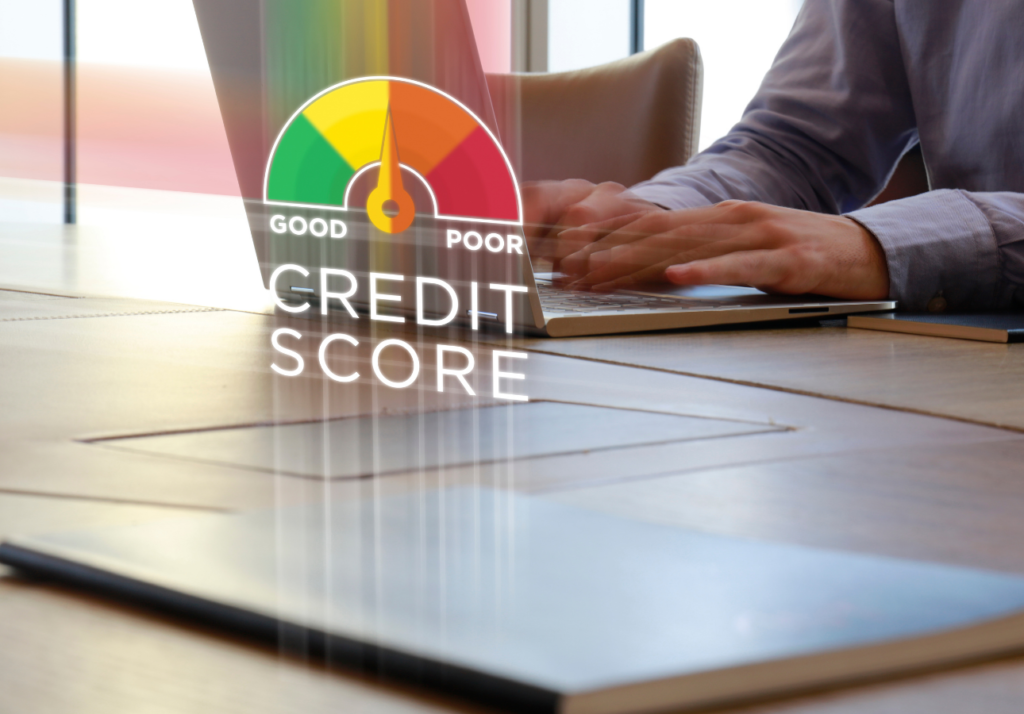
If you are planning to apply for a mortgage or major loan, aiming for under 20% utilization can strengthen your credit profile.
Maintaining low balances is one of the key habits required to achieve a good credit score in Canada.
Total Utilization vs Per-Card Utilization
Many people only consider their overall utilization, but credit scoring models also examine individual card utilization.
Example:
| Card | Limit | Balance | Utilization |
|---|---|---|---|
| Card A | $5,000 | $4,500 | 90% |
| Card B | $5,000 | $0 | 0% |
Total utilization:
$4,500 ÷ $10,000 = 45%
Even though your total utilization looks moderate, one card is nearly maxed out. This can still hurt your credit score.
Credit scoring models tend to penalize accounts that are close to their credit limit because they suggest
When Credit Card Balances Are Reported
A common misunderstanding is that credit bureaus only see your balance after you make your payment.
In reality, most credit card companies report your balance when the statement closes.
That means:
Even if you pay your balance in full every month, the credit bureau might still see a higher balance if it existed during the billing cycle.
Example:
Credit limit: $5,000
Statement balance: $3,000
Payment before due date: $3,000
Your credit report may still show 60% utilization for that month.
One strategy for keeping utilization low is making an early payment before the statement closes.
How High Utilization Can Lower Your Credit Score
High credit utilization can signal financial stress to lenders.
When lenders review your credit report, they are trying to determine how risky it would be to lend money to you.
Someone using most of their available credit may appear to be:
- carrying a heavy debt load
- relying on credit for everyday expenses
- more likely to miss payments
High utilization can lead to:
- lower credit scores
- higher interest rates
- rejected loan applications
- reduced credit limits
This becomes especially important when applying for major loans like mortgages.
How Utilization Affects Mortgage Applications
Mortgage lenders evaluate both your credit score and your overall debt levels.
High credit utilization can:
- lower your credit score
- increase your debt service ratios
- signal financial instability

Even small improvements in utilization can make a difference when lenders assess your application.
If you plan to apply for a mortgage within the next year, reducing utilization is one of the fastest ways to improve your credit profile.
Strategies to Lower Your Credit Utilization
The good news is that credit utilization is one of the easiest credit score factors to improve.
Here are several strategies.
1. Pay Down Existing Balances
Reducing balances directly lowers your utilization ratio.
Example:
| Balance | Limit | Utilization |
|---|---|---|
| $3,000 | $5,000 | 60% |
| $2,000 | $5,000 | 40% |
| $1,000 | $5,000 | 20% |
Even partial payments can improve your credit score.
2. Request a Credit Limit Increase
If your credit limit increases but your spending stays the same, utilization drops.
Example:
| Balance | Limit | Utilization |
|---|---|---|
| $1,500 | $5,000 | 30% |
| $1,500 | $10,000 | 15% |
However, this strategy only works if spending remains controlled.
This is especially relevant for Canadians using a secured credit card to build credit — where limits are often $200–$500. Keeping spending low relative to that limit is critical. If you’re in this situation, our guide to prepaid vs secured credit cards in Canada covers exactly how to manage utilization on a secured card to maximize score growth.
3. Make Multiple Payments Per Month
If you regularly use your credit card for everyday expenses, balances can rise temporarily.
Making payments before the statement closes helps keep reported balances low.
Many people pay their credit card:
- once mid-month
- once at the due date
4. Spread Spending Across Multiple Cards
If you have multiple credit cards, spreading purchases across them can lower utilization on each account.
Example:
| Card | Balance | Limit | Utilization |
|---|---|---|---|
| Card A | $1,500 | $5,000 | 30% |
| Card B | $1,500 | $5,000 | 30% |
This is usually better than having one card sitting at 60%.
5. Avoid Closing Old Credit Cards
Closing credit cards reduces your total available credit.
Example:
Before closing:
Total credit: $10,000
Balance: $2,000
Utilization: 20%
After closing a $5,000 card:
Total credit: $5,000
Balance: $2,000
Utilization: 40%
Your utilization doubles instantly.
Unless the card has a high annual fee, keeping older accounts open can help maintain a healthy credit profile.
Does Carrying a Balance Help Your Credit Score?
No.
This is one of the most common credit myths.
You do not need to carry a balance to build credit.
The best strategy is:
- use your credit card regularly
- keep utilization low
- pay the full balance every month
If you’re deciding which type of rewards card fits your spending habits, see our comparison of cash back vs travel rewards credit cards.
You may also want to explore:
- best cash back credit cards in Canada
- best no-fee credit cards in Canada
- best travel credit cards in Canada
Choosing the right card can help you earn rewards while maintaining responsible credit habits.
Using Credit Cards Responsibly
Credit cards can be a helpful financial tool when used carefully.
The Financial Consumer Agency of Canada (FCAC) recommends several habits for responsible credit card use.
These include:
- paying your balance on time
- keeping balances low
- avoiding unnecessary debt
- reviewing statements regularly
- understanding interest rates and fees
Following these practices helps protect both your finances and your credit score.
You can read the full guidance from the Financial Consumer Agency of Canada on using credit cards responsibly here.
Credit Utilization and Family Finances
For many Canadian families, credit cards are part of everyday budgeting.
Cards are commonly used for:
- groceries
- gas
- childcare expenses
- travel bookings
- household purchases
Using credit cards strategically can provide convenience and rewards, but it requires discipline.
Many families follow a simple system:
- use credit cards for planned expenses
- track spending carefully
- pay the full balance each month
This allows families to earn rewards without accumulating debt.
If you’re building a long-term financial plan, our article on the family finance system for Canadians explains how to organize spending, saving, and investing.
Key Takeaways
Credit card utilization plays a major role in your credit score.
The most important principles are simple:
- keep utilization below 30%
- aim for under 10–20% when possible
- avoid maxing out individual cards
- pay balances early if needed
- keep older accounts open
Small habits — like keeping balances low and paying cards regularly — can steadily strengthen your credit profile over time.
Frequently Asked Questions
Does credit utilization affect your credit score in Canada?
Yes. Credit utilization is one of the most important factors in your credit score. It measures how much of your available credit you are using. Lower utilization generally results in higher credit scores.
What is the ideal credit utilization ratio?
Most experts recommend keeping utilization below 30%, while the strongest credit scores are often associated with ratios under 10–20%.
Does paying off a credit card improve your credit score?
Yes. Paying down balances lowers your utilization ratio. Because credit card balances are reported monthly, improvements may appear within one or two billing cycles.
Is 0% credit utilization bad?
Not necessarily. However, credit scoring models prefer to see occasional activity. Using your card periodically and paying it off demonstrates responsible credit use.
Do credit limits affect your credit score?
Yes. Higher credit limits can lower your utilization ratio if spending stays the same, which can help improve your credit score.
How long does it take to improve credit utilization?
Credit card balances are usually reported monthly. That means improvements to utilization can affect your credit score within 30–60 days.
Affiliate Disclosure
💡 GrowingWealth.ca is supported by readers. Some of the links in this article are affiliate links, which means we may earn a small commission if you open an account or make a purchase — at no extra cost to you. We only recommend products and services we personally use, trust, or believe provide genuine value to Canadians. Our reviews and comparisons are always independent and objective.