
Credit scores in Canada affect nearly every major financial decision. Whether you are applying for a mortgage, credit card, or car loan, lenders use your credit score to determine how risky it is to lend you money.
For Canadian families trying to build financial stability, understanding how credit scores work can make a major difference. A strong credit score can help you qualify for better credit cards, lower interest rates on loans, and easier approval for mortgages.
This complete guide explains how credit scores work in Canada, what affects them, and how families can improve them over time.
What Is a Credit Score?
A credit score is a three-digit number that represents how reliable you are at repaying borrowed money.
In Canada, credit scores generally range from 300 to 900.
Lenders use this number to evaluate risk when deciding whether to approve an application for credit.
Credit scores influence approval for:
- mortgages
- credit cards
- car loans
- personal loans
- lines of credit
- apartment rentals
Insurance companies and landlords may also review credit reports as part of financial background checks.
Because credit scores predict repayment behavior, a higher score typically leads to better borrowing terms.
Credit Score Ranges in Canada
While different lenders use slightly different thresholds, most categorize credit scores using the following ranges.
| Credit Score | Rating | Meaning |
|---|---|---|
| 800–900 | Excellent | Best approval odds and lowest interest rates |
| 740–799 | Very Good | Strong credit access |
| 670–739 | Good | Approved for most credit products |
| 580–669 | Fair | Higher interest rates |
| 300–579 | Poor | Difficult to qualify for credit |
A good credit score in Canada is generally considered 670 or higher.
Who Calculates Credit Scores in Canada
Canada has two major credit bureaus that collect and maintain credit information:
- Equifax Canada
- TransUnion Canada
These organizations gather financial data from lenders and calculate credit scores using proprietary models.
Because not every lender reports to both bureaus, your credit score may differ slightly between them.
You can access your credit reports through:
Equifax Canada
TransUnion Canada
The Financial Consumer Agency of Canada provides additional information on credit reports and scores.
How Credit Scores Are Calculated
Although the exact scoring formulas are proprietary, most credit scores are based on similar factors.
The approximate weighting of these factors is widely understood.
| Factor | Approximate Weight |
|---|---|
| Payment history | 35% |
| Credit utilization | 30% |
| Length of credit history | 15% |
| Credit mix | 10% |
| New credit inquiries | 10% |

Understanding these factors helps Canadians focus on the habits that matter most.
Payment History
Payment history is the most important component of your credit score.
Lenders want evidence that you consistently pay bills on time.
Accounts that affect payment history include:
- credit cards
- personal loans
- car loans
- mortgages
- lines of credit
Even one missed payment can negatively affect your score.
Credit Utilization
Credit utilization measures how much of your available credit you are using.
Example:
Credit limit: $10,000
Current balance: $2,000
Utilization: 20%
Experts generally recommend keeping utilization below 30 percent, and ideally closer to 10 percent.
For a deeper explanation, read How Credit Card Utilization Affects Your Credit Score.
Length of Credit History
The longer your credit history, the better.
This includes:
- age of your oldest account
- average age of accounts
- how long accounts have been open
Closing older credit cards may shorten your credit history and lower your score.
Credit Mix
Your credit mix refers to the variety of credit accounts you use.
Examples include:
- credit cards
- mortgages
- car loans
- lines of credit
Lenders like to see borrowers successfully managing multiple types of credit.
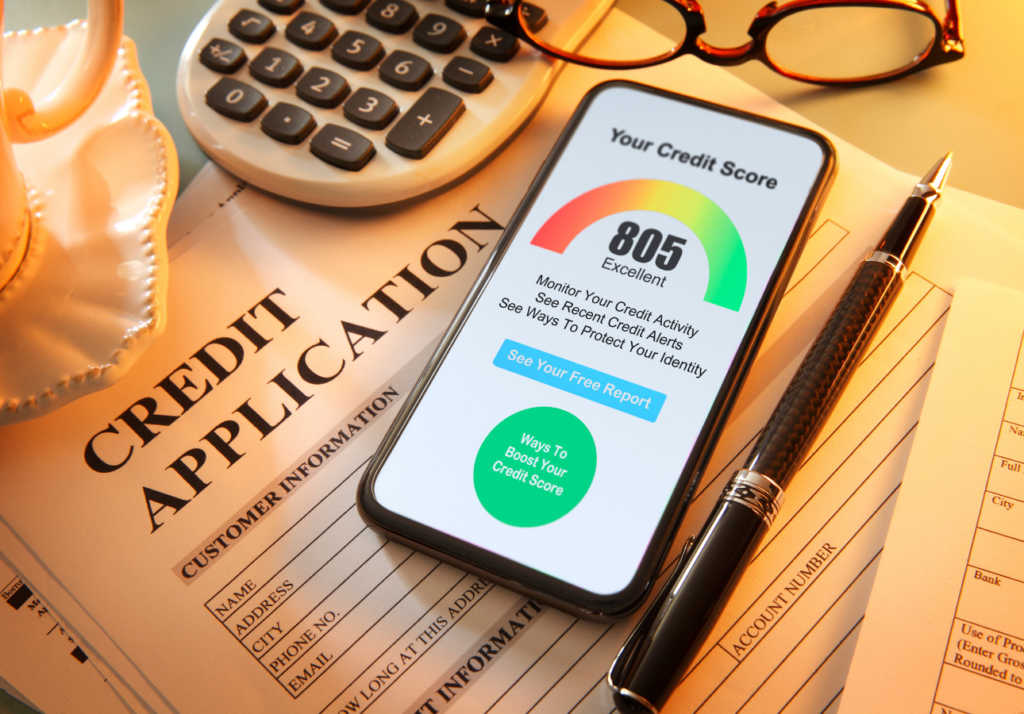
New Credit Applications
Every time you apply for credit, lenders perform a hard inquiry on your credit report.
Too many inquiries in a short period can temporarily lower your score.
Spacing out applications helps protect your credit.
What Appears on Your Credit Report
Your credit score is calculated using information contained in your credit report.
A Canadian credit report typically includes:
- personal identifying information
- open credit accounts
- account payment history
- collections and defaults
- credit inquiries
- public records such as bankruptcies
Reviewing your credit report regularly helps ensure the information is accurate.
How Long Negative Information Stays on Your Credit Report
Negative financial events remain on your credit report for several years.
| Event | Typical Time on Report |
|---|---|
| Late payment | 6 years |
| Collection account | 6 years |
| Consumer proposal | 3–6 years |
| Bankruptcy | 6–7 years |
| Hard credit inquiry | 2–3 years |
Over time, positive financial behavior gradually outweighs older negative items.
Equifax vs TransUnion in Canada
Both major credit bureaus track similar information but operate independently.
| Feature | Equifax | TransUnion |
|---|---|---|
| Credit score range | 300–900 | 300–900 |
| Credit reports | Available | Available |
| Monitoring services | Yes | Yes |
| Used by lenders | Yes | Yes |
Because lenders may check either bureau, maintaining good credit across both reports is important.
Equifax vs TransUnion in Canada
Both major credit bureaus track similar information but operate independently.
Mortgage Approval
Mortgage lenders rely heavily on credit scores when evaluating applications.
A higher score can result in:
- lower mortgage interest rates
- easier approvals
- access to larger loan amounts
For most lenders, borrowers typically need scores above 680–700 to qualify for the best mortgage rates.
Learn more in our guide: What is a Good Credit Score where we cover what a good score is for a mortgage application.
Credit Card Eligibility
Many of the best credit cards require strong credit scores.
These include:
- premium cashback cards
- travel rewards cards
- high-limit cards
You may find these guides helpful:
Best No-Fee Credit Cards in Canada
Loan Interest Rates
Credit scores also affect interest rates.
Example:
Car loan amount: $30,000
Borrower A
Credit score: 760
Interest rate: 5%
Borrower B
Credit score: 620
Interest rate: 9%
Over the life of the loan, the borrower with weaker credit could pay thousands more in interest.
How to Improve Your Credit Score in Canada
Most Canadians can improve their credit score by developing consistent financial habits.
Pay Bills On Time
Payment history carries the most weight.
Always make at least the minimum payment by the due date.
Setting up automatic payments can help prevent missed payments.
Lower Credit Utilization
Reducing credit card balances is one of the fastest ways to improve your score.
Strategies include:
spreading balances across cards
paying balances more frequently
requesting credit limit increases
Limit New Credit Applications
Applying for multiple credit cards within a short time can reduce your score.
Apply strategically and only when needed.
Keep Older Accounts Open
Older credit accounts strengthen your credit history.
If a card has no annual fee, keeping it open can benefit your score.
Monitor Your Credit Report
Errors occasionally appear on credit reports.
Checking your report regularly allows you to dispute inaccurate information.
Responsible Credit Card Use
The Financial Consumer Agency of Canada (FCAC) provides guidance for responsible credit use.
Key recommendations include:
- paying your balance in full whenever possible
- keeping balances well below credit limits
- reviewing monthly statements carefully
- understanding interest rates and fees
Learn more from the official guidance the Financial Consumer Agency of Canada website.
Common Credit Score Myths
Many Canadians misunderstand how credit scores work.
Myth: Checking Your Own Credit Score Hurts It
Checking your own credit report creates a soft inquiry, which does not affect your credit score.
Myth: Carrying a Balance Improves Your Score
You do not need to carry a balance.
Paying your credit card in full each month avoids interest and is better for your credit score.
Myth: Closing Credit Cards Improves Your Score
Closing accounts can actually reduce your score by lowering available credit and shortening credit history.
Credit Scores and Financial Habits
Credit scores are largely a reflection of long-term financial behavior.
Families who build healthy financial habits often see their credit scores improve naturally over time.
Helpful habits include:
- paying bills consistently
- avoiding unnecessary debt
- managing credit cards carefully
- maintaining emergency savings
Our article on Financial Habits That Build Wealth explores these principles in more detail.
Key Takeaways
Credit scores play a critical role in the Canadian financial system.
Important points to remember:
- Canadian credit scores range from 300 to 900
- Scores above 670 are generally considered good
- Payment history and credit utilization have the biggest impact
- Responsible credit habits gradually improve your score
- Monitoring your credit report helps catch errors early
Building strong credit is one of the most valuable financial steps Canadian families can take.
Frequently Asked Questions
What is a good credit score in Canada?
A credit score of 670 or higher is typically considered good. Scores above 740 usually qualify for the best lending terms.
What credit score do lenders check in Canada?
Most lenders check either Equifax or TransUnion depending on their internal policies.
Can you get a mortgage with a 600 credit score in Canada?
Yes, but borrowers with lower scores may face higher interest rates or need alternative lenders.
How fast can a credit score improve?
If balances are paid down significantly, credit scores can improve within 30–60 days once new information is reported.
Do debit cards affect your credit score?
No.
Debit card transactions are not reported to credit bureaus and do not affect credit scores.
If you want to start improving your credit score today, read our detailed guide: How to Improve Your Credit Score in Canada
Building strong credit takes time, but the long-term financial benefits can be significant.
Affiliate Disclosure
💡 GrowingWealth.ca is supported by readers. Some of the links in this article are affiliate links, which means we may earn a small commission if you open an account or make a purchase — at no extra cost to you. We only recommend products and services we personally use, trust, or believe provide genuine value to Canadians. Our reviews and comparisons are always independent and objective.