
Credit cards are one of the easiest ways for Canadians to earn rewards on everyday spending. When used strategically, rewards cards can generate hundreds of dollars per year in cashback, travel points, or airline rewards from purchases you already make.
But there’s an important catch: credit card rewards only work in your favor if you avoid interest and use your card responsibly.
This guide explains how Canadians can maximize credit card rewards without carrying debt, turning everyday purchases like groceries, gas, and subscriptions into meaningful financial benefits.
If you’re still deciding which card to get, start with our guide to the Best No-Fee Credit Cards in Canada to compare popular options.

What are Credit Card Rewards?
Credit card rewards programs allow cardholders to earn cashback, points, or airline rewards when making purchases. These rewards are typically calculated as a percentage of spending.
According to the Financial Consumer Agency of Canada, rewards cards may provide benefits such as cashback, travel points, or merchandise redemption depending on the program.
| Type | How it Works | Best For |
| Cashback | Earn a percentage of your spending back as cash or statement credit. | Simple and flexible rewards |
| Travel Points | Earn points redeemable for travel, merchandise, or gift cards. | Flexible redemption |
| Airline Points | Earn points in airline loyalty programs like Aeroplan. | Frequent travellers |
Canadian households spend thousands each month on everyday expenses. According to Statistics Canada household spending data, major spending categories include housing, transportation, food, and household goods — making rewards cards a practical way to earn benefits on purchases families already make.
Step 1: Choose the Right Rewards Card for Your Family
Before you start earning rewards, you need the right credit card.
You can explore current offers and compare features in our Best No-Fee Credit Cards in Canada (2026 Guide for Families) or browse additional options at Ratehub.ca, one of Canada’s top tools for finding the best credit cards for your needs.
Ask yourself:
- What do you spend most on? (e.g., groceries, gas, recurring bills)
- Do you prefer cashback or travel rewards?
- Do you want simplicity or maximum rewards optimization
Popular No-Fee and Low-Fee Options in 2026
| Card | Type | Highlights | Best For | Apply |
|---|---|---|---|---|
| Tangerine Money-Back Credit Card | Cashback | Choose up to 3 bonus categories | Everyday spending flexibility | Apply Now |
| Neo World Elite Mastercard | Cashback | High partner cashback rates | Online shopping | Apply Now |
| Simplii Cash Back Visa | Cashback | High cashback on restaurants and recurring bills | Dining and subscriptions | Apply Now |
| CIBC Aventura Visa Infinite | Travel Points | Flexible travel redemption | Travel rewards | Apply Now |
| TD Aeroplan Visa Infinite | Airline Points | Earn Aeroplan points redeemable for flights | Frequent travellers | Apply Now |
💡 Tip: Compare annual fees versus rewards value. If you spend $2,000/month and earn 2% cashback, that’s $480 a year — easily offsetting a $120 fee.
Want a deeper breakdown of cashback offers? Check out our Best Cash Back Credit Cards in Canada (2026 Update) to see which cards give you the most on groceries, gas, and everyday spending.
Step 2: Align Rewards With Your Real Spending
The key to maximizing rewards isn’t spending more — it’s aligning your credit card with the spending you already do.
Here’s a common spending breakdown for Canadian households.
Look at your family’s typical monthly expenses:
| Category | Typical Spend | Ideal Card Type |
| Groceries | $800–$1,000 | Grocery cashback card |
| Gas/Transit | $300–$400 | Gas bonus card |
| Utilities & Subscriptions | $200–$300 | Flat-rate cashback card |
| Family Entertainment | $200+ | Rotating rewards card |
| Child Expenses (school, sports) | $150–$250 | General cashback card |
Key Strategy:
Some households use two or three cards strategically, assigning each card to the spending category where it earns the most rewards.
To better understand your spending patterns, download our free Budgeting Checklist for Canadians— to track monthly expenses.
Step 3: Pay Your Balance in Full Every Month

Step 4: Stack and Multiply Rewards
Experienced cardholders use several strategies to multiply their rewards.
- Use partner portals – Shop through platforms like Aeroplan eStore or Rakuten to earn extra points or cashback.
- Pay recurring bills – Put utilities, streaming, and phone bills on your rewards card for steady points.
- Combine with loyalty programs – Double dip: earn store rewards (e.g., PC Optimum, AIR MILES) and credit card points.
- Add a spouse as an authorized user – Pool points and track household spending easily.
- Redeem smartly – Use rewards for high-value redemptions (travel upgrades, statement credits) rather than low-value gift cards.
🧠 Example:
A family of four spending $4,000/month on a 2% cashback card earns $960/year. Add loyalty stacking and bonus categories, and total rewards can easily exceed $1,200 — just for everyday spending.
Step 5: Avoid the Traps
Rewards cards are beneficial only when used responsibly.
| Trap | What Happens | How to Avoid It |
| Carrying a balance | Interest cancels rewards | Pay in full each month |
| Overspending for points | Spending increases unnecessarily | Stick to your budget |
| Ignoring annual fees | Costs may outweigh rewards | Recalculate yearly |
| Late payments | Lose grace period, pay penalties | Set up auto-pay |
| Too many cards | Harder to track, risk of errors | Use 2–3 strategically |
The Government of Canada’s guide on managing credit card debt offers helpful tips for staying debt-free while building credit responsibly.
Step 6: Combine Credit Cards with Other Financial Tools
Your rewards strategy should fit into your overall financial plan.
- deposit cashback into a TFSA
- use rewards to fund savings goals
- apply statement credits toward other debt
- track spending using budgeting tools
If you’re not familiar with TFSAs, read our guide to TFSAs in Canada (2026 Guide for Families), which explains contribution limits, tax-free growth, and how to make your credit card rewards go further.
Real-World Example: The Smart Family Strategy

The Bells are a family of four in Ontario. They spend:
- $900 on groceries
- $350 on gas
- $250 on utilities
- $150 on streaming, phone, and internet
- $300 on kids’ sports
They use:
- Scotiabank Momentum Visa Infinite for groceries and gas (earning ~3% overall).
- Tangerine Money-Back for recurring bills (2% category).
- Neo Financial for restaurants and online shopping (avg. 5% back).
By combining cards and paying in full monthly, they earn over $1,100 a year in cashback — equivalent to a free family weekend getaway.
Step 7: Re-Evaluate Your Card Each Year
Credit card rewards programs evolve constantly.
Once per year:
- review your spending categories
- compare new offers
- reconsider annual fees
- look for signup bonuses
See our comparisons of the:
Best Cash Back Credit Cards in Canada
Best Travel Credit Cards in Canada
Step 7: Re-Evaluate Each Year
Banks frequently update reward categories and sign-up bonuses. Revisit your setup every 12 months:
✅ Compare new offers on no-fee and premium cards.
✅ Re-check your spending categories (groceries vs travel).
✅ Consider temporary cards for big purchases with welcome bonuses.
✅ Look for sign-up bonuses
💡 Pro Tip: Many premium cards waive the first-year fee. Apply, meet the minimum spend, collect the bonus, and reassess next year.
See our comparisons of the:
Best Cash Back Credit Cards in Canada
Best Travel Credit Cards in Canada
You can also read our comparison article Cash Back vs Travel Rewards Credit Cards.
Best Practices for Families
- Centralize bills on the primary card for simplicity.
- Assign one card for each spouse with category clarity.
- Use automatic alerts for spending limits and due dates.
- Keep credit utilization under 30%.
- Teach kids early: Use a prepaid card or authorized card with low limits to build healthy habits.

When NOT to Use a Credit Card
Even the smartest rewards strategy has limits. Avoid using credit cards when:
- You’re close to your limit or struggling with debt.
- A merchant charges a high credit card fee (use debit).
- You might not pay off the balance fully.
Remember: rewards are a bonus, not a reason to spend more.
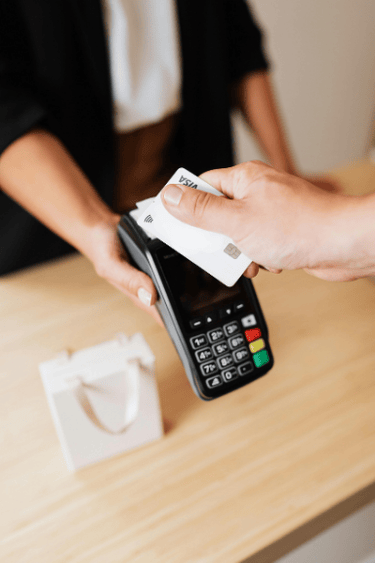
Final Thoughts: Let Rewards Work for You
Credit cards can be an ally in your family’s financial toolkit — helping you earn hundreds (or even thousands) in free rewards every year. The secret is balance: use them like cash, pay them off monthly, and let your everyday spending work harder for you.
When used responsibly, credit cards are not just a payment tool — they become a small but powerful part of your overall financial system.
Key Takeaways
- Choose a card that fits your real spending habits.
- Always pay balances in full.
- Stack rewards with loyalty programs.
- Revisit your setup annually.
- Turn rewards into savings or investments.
Need Help Choosing the Right Card?
👉 Ready to choose your card? Explore our related credit card guides for up-to-date comparisons, welcome bonuses, and family-friendly perks:
💡 Want to turn what you’ve just learned into lasting results?
Read our cornerstone guide — The Power of Financial Habits: How to Build Lasting Wealth — and learn how small, consistent actions create real financial freedom.
Affiliate Disclosure
💡 GrowingWealth.ca is supported by readers. Some of the links in this article are affiliate links, which means we may earn a small commission if you open an account or make a purchase — at no extra cost to you. We only recommend products and services we personally use, trust, or believe provide genuine value to Canadians. Our reviews and comparisons are always independent and objective.